
Learn How to Knit with mohair
New to knitting? If you've never picked up needles before, we recommend starting with our beginner video tutorials first — they'll walk you through the essential stitches step by step. Once you've got the basics down, come back here for these mohair-specific videos, where we'll show you what to keep in mind when working with this dreamy, fluffy yarn.
Cast On Stitches with mohair
Casting on is your very first step — it creates the foundation stitches you'll knit into. Once you've got the right number of stitches on your needle, you're ready to start knitting. Practice a few times until it feels comfortable; a relaxed grip makes all the difference. In this video we use 2 strands of MYPZ Chunky kidmohair DK held together.
Knit stitch with mohair
The knit stitch is the most basic — and most used — stitch in knitting. Master this one first, and you can already make a simple scarf. It creates a smooth "V" pattern on the front of your work. In this video we use 2 strands of MYPZ Chunky kidmohair DK held together.
Purl stitch with mohair
The purl stitch is the knit stitch's best friend — together, they unlock endless textures and patterns. It looks trickier at first, but it's really just the knit stitch worked in reverse. With a little practice, your hands will find the rhythm. In this video we use 2 strands of MYPZ Chunky kidmohair DK held together.
Increase 1 stitch (M1R) with mohair
Bind off with mohair
Binding off finishes your work and locks your stitches in place, so they don't unravel. It's the final step for any project — simple to do, and satisfying to see your piece come together. But not too tight! In this video we use 2 strands of MYPZ Chunky kidmohair DK held together.
Tie mohair yarn together
Mix & Match colors according to your own wishes/no rules. Always use 2 strands of 2 different colors. Use different lengths for each color and tie them together. You're going to tie a lot of threads together. In this video we explain how to do that. For the color change we use a method so you don't have to weave in all the ends!
Beginner kits and patterns
-
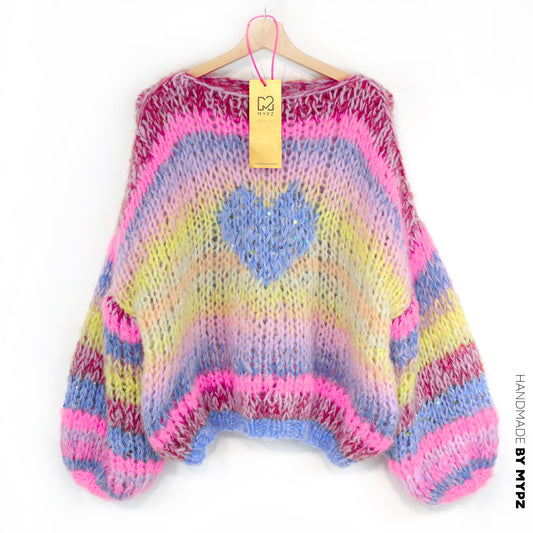
Knit Pattern – MYPZ Short Chunky Alpaca-Mohair Pullover Sunset Rave No15 (ENG-DE-NL-ES-FR-IT-DA-SV-NO)
Regular price €7,69Regular priceUnit price per -
Knitting pattern – MYPZ Chunky Alpaca Pullover Merlot No15 – Beginner (ENG-NL-DE)
Regular price €7,69Regular priceUnit price per -
Knitting Kit – MYPZ Chunky Alpaca Pullover Merlot No15 – Beginner (ENG-NL-DE)
Regular price From €81,90Regular priceUnit price per -
Knitting pattern – MYPZ Light Alpaca Pullover Cloud Kiss No10 (ENG-NL-DE)
Regular price €7,69Regular priceUnit price per -
Knitting Kit – MYPZ Light Alpaca Pullover Cloud Kiss No10 (ENG-NL-DE)
Regular price From €81,90Regular priceUnit price per -
Knit pattern – MYPZ Basic Chunky Pullover Candy Heat No15 (ENG-NL-DE)
Regular price €7,69Regular priceUnit price per -
Knitting Kit – MYPZ Basic Chunky Pullover Candy Heat No15 (ENG-NL-DE)
Regular price From €133,36Regular priceUnit price per -
Knit pattern – MYPZ Chunky Mohair KIDS Pullover Wave No12 (ENG-NL-DE)
Regular price €7,69Regular priceUnit price per -
Knit pattern – MYPZ Chunky Mohair KIDS Pullover Fairy Fluff No12 (ENG-NL-DE)
Regular price €7,69Regular priceUnit price per -
Knit pattern – MYPZ Chunky Mohair KIDS Cardigan Unicorn Glow No12 (ENG-NL-DE)
Regular price €7,69Regular priceUnit price per -
Knitting Kit – MYPZ Chunky Mohair Cardigan Rainbow Sorbet No.15 (ENG-NL-DE)
Regular price From €143,16Regular priceUnit price per -
Knitting Kit – MYPZ Chunky Mohair Cardigan Funky Caramel No.15 (ENG-NL-DE)
Regular price From €169,42Regular priceUnit price per -
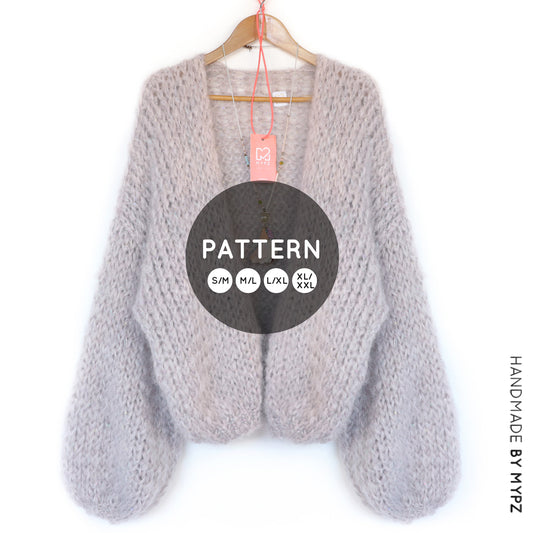
Knit pattern – MYPZ short basic chunky cardigan Sparkling No15 (ENG-NL-DE)
Regular price €7,69Regular priceUnit price per -
Knitting Kit – MYPZ Basic Light Mohair Pullover Melon-Candy no10 (ENG-NL-DE)
Regular price From €81,90Regular priceUnit price per -
Knit pattern – MYPZ chunky mohair pullover Trailer Trash No15 (ENG-NL-DE)
Regular price €7,69Regular priceUnit price per -
Knit pattern – MYPZ short basic chunky cardigan Western No15 (ENG-NL-DE)
Regular price €7,69Regular priceUnit price per -
Knit Pattern - MYPZ Basic Light Mohair Pullover Emily No10 - beginner (ENG-NL-DE)
Regular price €7,69Regular priceUnit price per -
Knitting Kit – MYPZ Light Mohair Cardigan Jewel no10 (ENG-NL-DE)
Regular price From €116,82Regular priceUnit price per